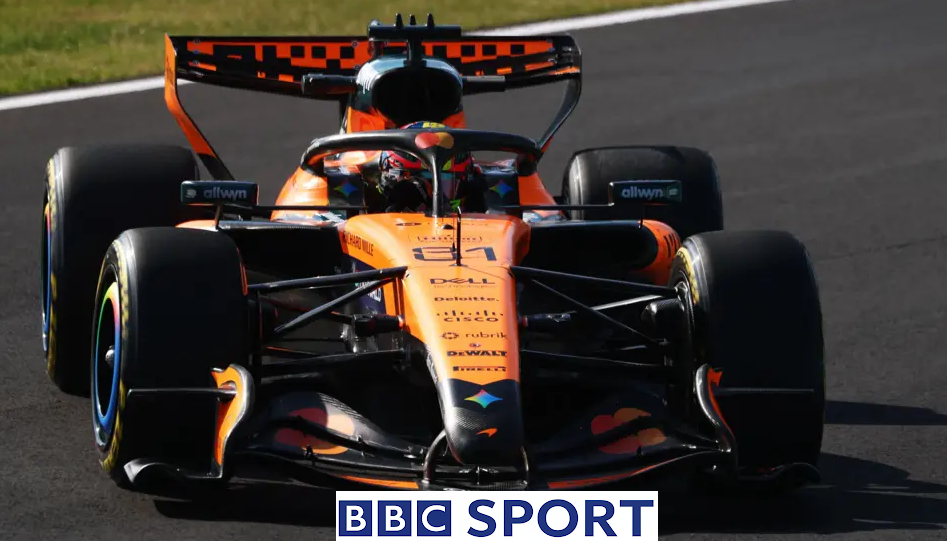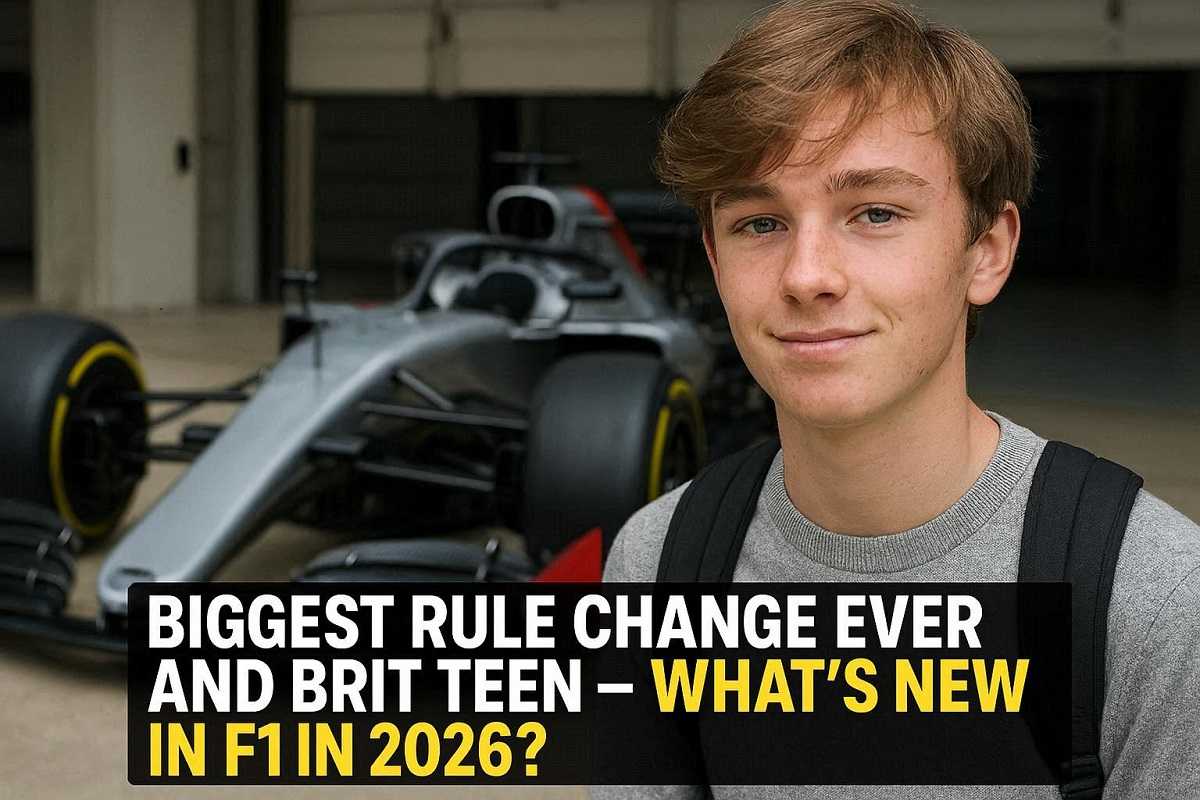
Formula 1 is gearing up for one of the most dramatic shake-ups in its history. The 2026 season won’t just introduce new drivers it will usher in the biggest rules overhaul the sport has ever seen. From lighter, more agile cars to a bold leap in hybrid power, F1 is preparing for a future that looks faster, cleaner, and more unpredictable.
Below is a deep, human-sounding breakdown of everything fans can expect.
A New Era of F1: The 2026 Rule Revolution
The 2026 regulations completely transform both the engine and the aerodynamics of the cars. It’s the first time in decades that both areas have been rewritten at the same time and the impact will be huge.
Lighter, Smaller, More Agile Cars
Teams will be working with cars that are around 30 kilograms lighter and noticeably slimmer. The width shrinks by about 10 centimeters, and the tyres become slightly narrower too. These changes are designed to create cars that feel more nimble, react quicker, and race more closely without the bulky, heavy feel fans have gotten used to.
A Big Hybrid Power Shift
While F1 is keeping the familiar 1.6-litre turbo-hybrid engine, the balance between electric and combustion power changes massively.
- The electric motor gets a huge boost, almost tripling in output.
- Power will now be close to a 50/50 split between the engine and hybrid system.
- The old MGU-H the part that collected heat energy from the turbo is gone.
- Instead, the cars will rely fully on braking energy to recharge their batteries.
This shift makes the cars cleaner, more efficient, and far more dependent on energy management and electrical strategy.
Aerodynamics: The End of DRS, the Rise of Active Wings
Perhaps the biggest surprise of 2026: DRS is officially gone.
Instead, cars will use active aerodynamics movable wings that switch between two modes:
- High-downforce mode for cornering
- Low-drag mode for straights
Drivers will no longer rely on flap openings to overtake. Instead, they’ll get a new battery-boost system. When they are within one second of the car ahead, they can release a burst of electrical power for short, intense overtakes. It’s more tactical, more energy-based, and could create thrilling battles.
Drivers have already hinted that the new cars will feel completely different especially in the rain, where managing grip and power will become far more challenging.
Cleaner and Safer Than Ever
The 2026 cars will run on 100% sustainable fuel, part of F1’s push towards a carbon-neutral future. Even though the cars get lighter, safety standards go up again, with stronger impact structures and improved driver protection throughout the chassis.
F1 wants the sport to be faster, but also future-ready and this rule set aims to balance both.
A New British Talent Arrives: Meet the Teen Making His Debut
Amid the major technical changes, there’s also a fresh storyline for British fans: a new teen driver stepping into Formula 1 in 2026.
Arvid Lindblad, just 18 years old, will make his F1 debut on the 2026 grid. The young British-Swedish driver has been rising quickly through the junior ranks, impressing teams with his pace, calmness, and natural racecraft. He’ll be joining the Racing Bulls team alongside Liam Lawson, giving the squad a youthful, energetic lineup.
Lindblad’s arrival adds excitement to an already unpredictable season and many believe he could be one of the standout rookies of the new era.
What It All Means for Fans
The 2026 season won’t just look different it will feel different to watch.
- Overtakes may become more strategic and dramatic.
- The cars will behave differently through corners and straights.
- Energy usage and battery deployment will become key talking points.
- And with the entire rulebook flipped, the competitive order could change overnight.
Teams that master the rules early might leap ahead. Others may fall behind. Surprises are more likely than ever.
The Start of Something Big
With lighter cars, smarter aero, stronger hybrid systems, and a new wave of young drivers, the 2026 Formula 1 season marks the beginning of a bold new era. It’s a turning point a chance for the sport to reinvent itself without losing the thrill that makes F1 special.
Whether you’re a long-time fan or someone who enjoys the spectacle, one thing is certain:
F1 in 2026 won’t just be another season. It will be a fresh chapter packed with new technology, new faces, and new possibilities.