
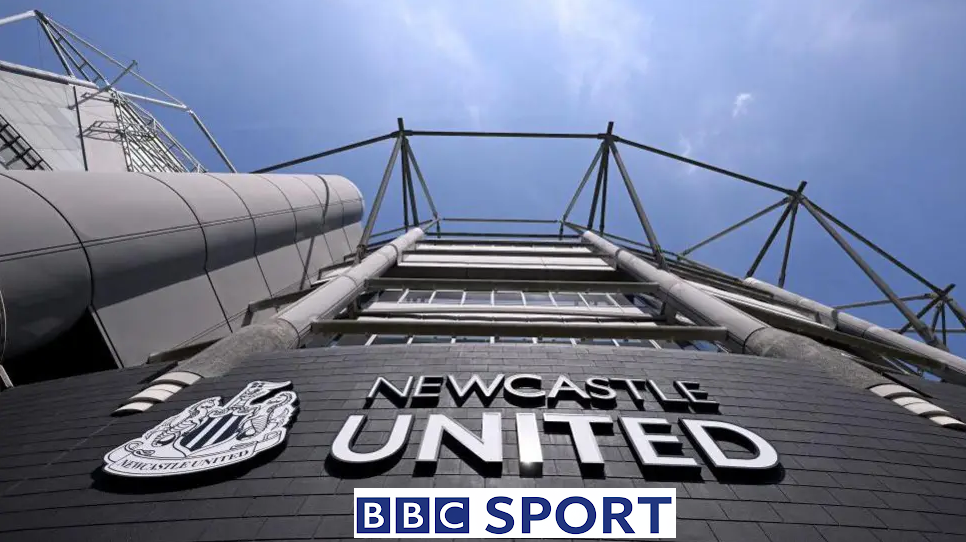
The rise of Newcastle United under Saudi-backed ownership has brought both excitement and big questions, especially about how realistic the wider Saudi Vision 2030 really is.
When Saudi Arabia’s Public Investment Fund took control of Newcastle in 2021, it was seen as part of a much bigger plan. Vision 2030 aims to transform the country’s economy, reduce its reliance on oil, and invest heavily in global industries like sport, tourism, and entertainment. Football, in particular, became a key part of that strategy.
At first, everything seemed to move quickly. Newcastle improved on the pitch, qualified for European competition, and fans began to dream of a future filled with trophies and world-class players. The club became a symbol of Saudi Arabia’s growing influence in global sport.
But over time, questions have started to appear. While there has been progress, some of the bigger promises both at Newcastle and in Saudi Arabia have been slower to take shape.
Vision 2030 is an incredibly ambitious project. It includes major developments such as futuristic cities, tourism hubs, and major sporting investments. However, many of these projects have faced challenges. Some have been delayed, scaled back, or reconsidered due to high costs and practical difficulties.
For example, plans for major developments like NEOM and “The Line” have been scaled back from their original scale, showing that even the most ambitious ideas need to be adjusted over time.
These changes don’t necessarily mean failure but they do suggest that the original vision may have been too ambitious to deliver exactly as planned.
At Newcastle, this bigger picture has also had an impact. The club is still growing, but not as quickly or dramatically as some expected. Big spending has been more controlled, and long-term projects like infrastructure upgrades have yet to fully materialize.
This has led to an important question: is the system behind Newcastle and the wider Vision 2030 built for long-term success, or is it still finding its way?
The reality is probably somewhere in between. Saudi Arabia has made real progress in areas like tourism, economic reform, and global sports involvement. At the same time, the scale of its ambitions means setbacks and adjustments are almost inevitable.
For Newcastle fans, the journey is still ongoing. The club remains in a stronger position than before, but the dream of becoming one of the world’s biggest teams may take more time than originally hoped.
In the end, Vision 2030 is not just about quick success it’s about long-term change. Whether it fully succeeds or not will depend on how well these big plans can adapt to real-world challenges.
And just like in football, having a vision is one thing turning it into reality is something much harder.


